Experiential learning is a hands-on approach where students learn through whole self-felt experiences and reflections. This style of learning brings a world of possibilities to SEND school settings. By engaging directly with the material, students with various needs can better grasp concepts and skills that traditional teaching methods might not effectively convey. In other words, this method allows SEND children to learn by doing, something we support and advocate for here within the SENSE Education team.
Implementing Experiential Learning
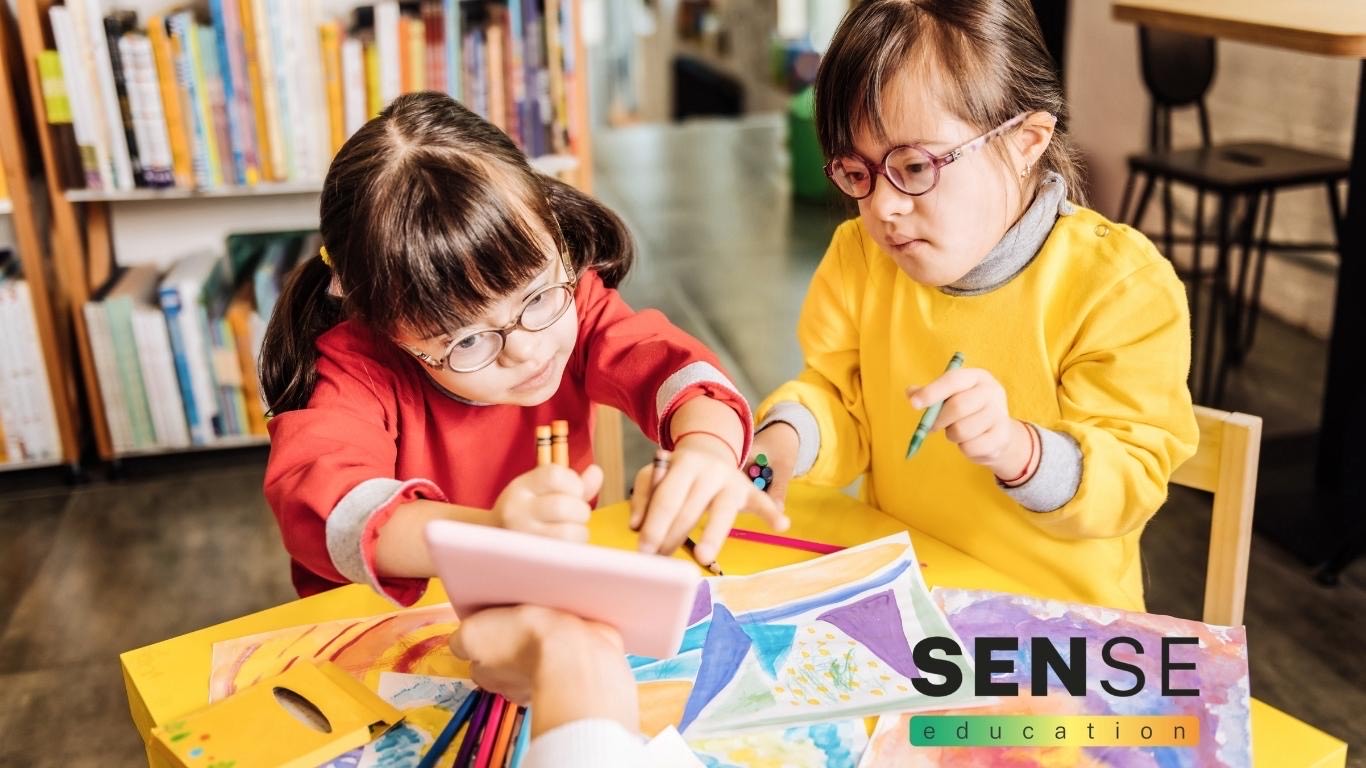
1. Sensory adventures: many SEND students benefit from sensory experiences. Activities like tactile art projects, sensory gardens, or interactive science experiments engage multiple senses, making learning more accessible and enjoyable. For example, sensory gardens with various textures and scents can help students explore and learn about nature in a multi-sensory way.
2. Real-life practice: simulating real-world situations helps students develop practical skills. For example, setting up a mock shop can teach maths and social skills, while cooking classes can enhance understanding of measurements and following instructions. Role-playing activities can also teach social skills and appropriate responses to different situations.
3. Learning outdoors: nature offers a rich environment for experiential learning. Outdoor activities like hiking, planting, or nature scavenger hunts provide physical exercise, sensory stimulation, and a break from traditional classroom settings. These activities can teach science and environmental awareness in a dynamic and engaging way.
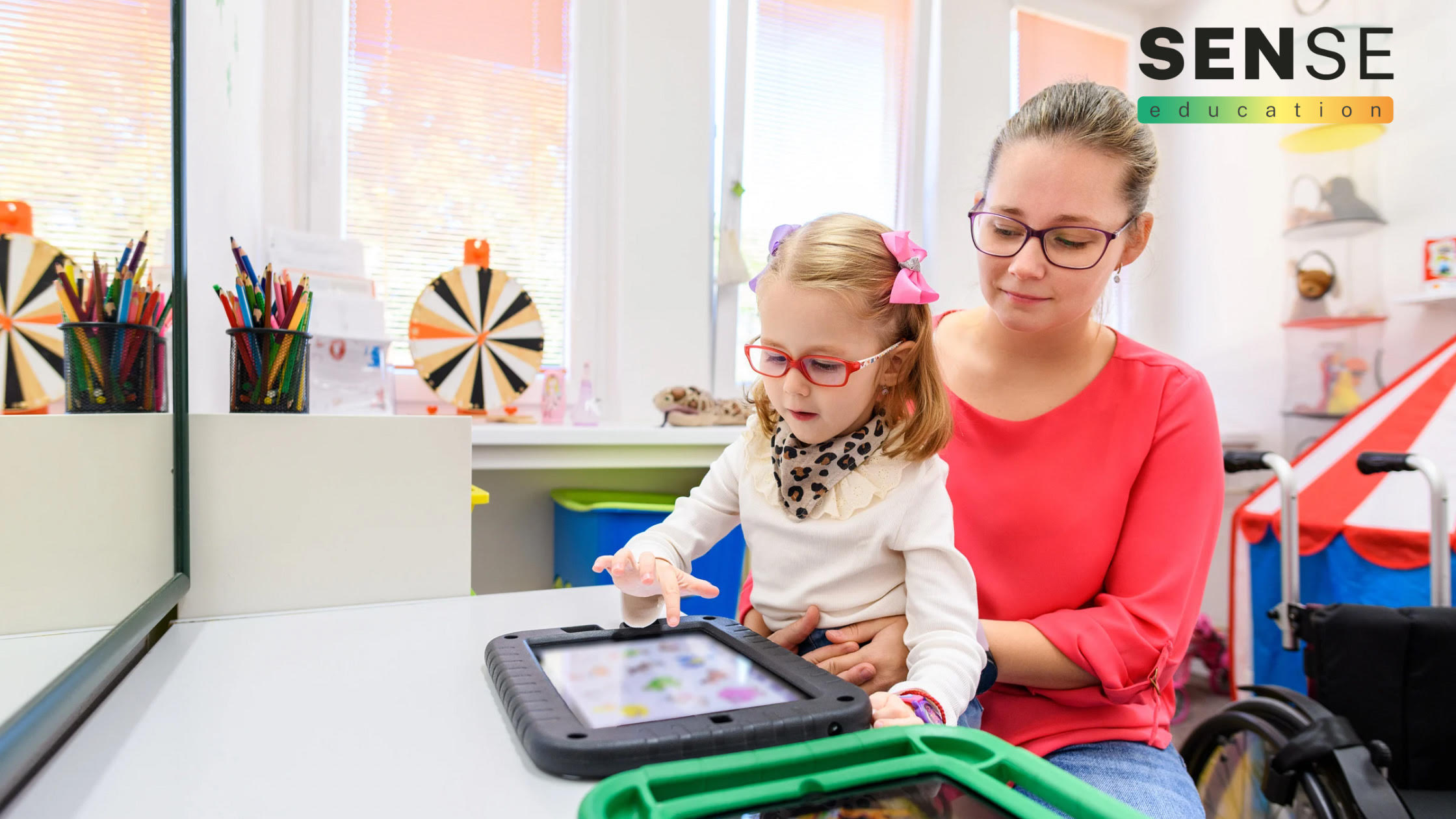
4. Tech integration: using technology like interactive whiteboards, tablets, and virtual reality can create immersive learning experiences. These tools can
accommodate various learning styles and provide instant feedback, making learning more dynamic and responsive. For example, virtual reality can transport students to different environments, enhancing their understanding of geography or history.

A Success Story
At Greenfield SEN School, experiential learning has transformed the educational landscape. In a recent project, students participated in a community garden initiative. They learnt about plant biology, environmental stewardship, and teamwork. The hands-on experience of planting, nurturing, and harvesting vegetables not only reinforced scientific concepts but also taught patience and collaboration. Parents and teachers noted significant improvements in students’ confidence and enthusiasm for learning.
Conclusion
Experiential learning in SEND school settings is not just a teaching method; it’s a pathway to inclusive, effective education. By harnessing the power of real-world experiences, educators can unlock each student’s potential, fostering a love for learning that transcends the classroom. As SEND schools continue to embrace this approach, the future looks brighter for students with special educational needs, ensuring they are equipped with the skills and confidence to thrive. With experiential learning, we can create a nurturing and dynamic educational environment where every student feels valued and empowered.