Every year on 28 August, people across the world celebrate Makaton International Awareness Day. The date marks the birthday of Margaret Walker, one of Makaton’s creators, and it serves as a reminder of just how transformative communication can be when it is made truly inclusive.
For many, Makaton is tied to childhood memories. Millions of children grew up watching Something Special with Mr. Tumble on CBeebies, unknowingly being introduced to Makaton in its most joyful, accessible form. What looked like a simple children’s programme was in fact an important lesson in empathy, communication and acceptance. It showed that language is not just about words—it’s about connection.
Makaton itself is a language programme that combines speech, signs and symbols to help people with communication difficulties express themselves. It is often used by individuals with autism, Down syndrome, developmental language disorders or learning disabilities. Unlike British Sign Language (BSL), which is a full language in its own right with its own grammar, Makaton is designed to be used alongside spoken English. It is not about replacing speech, but about supporting it—building bridges where communication might otherwise break down.
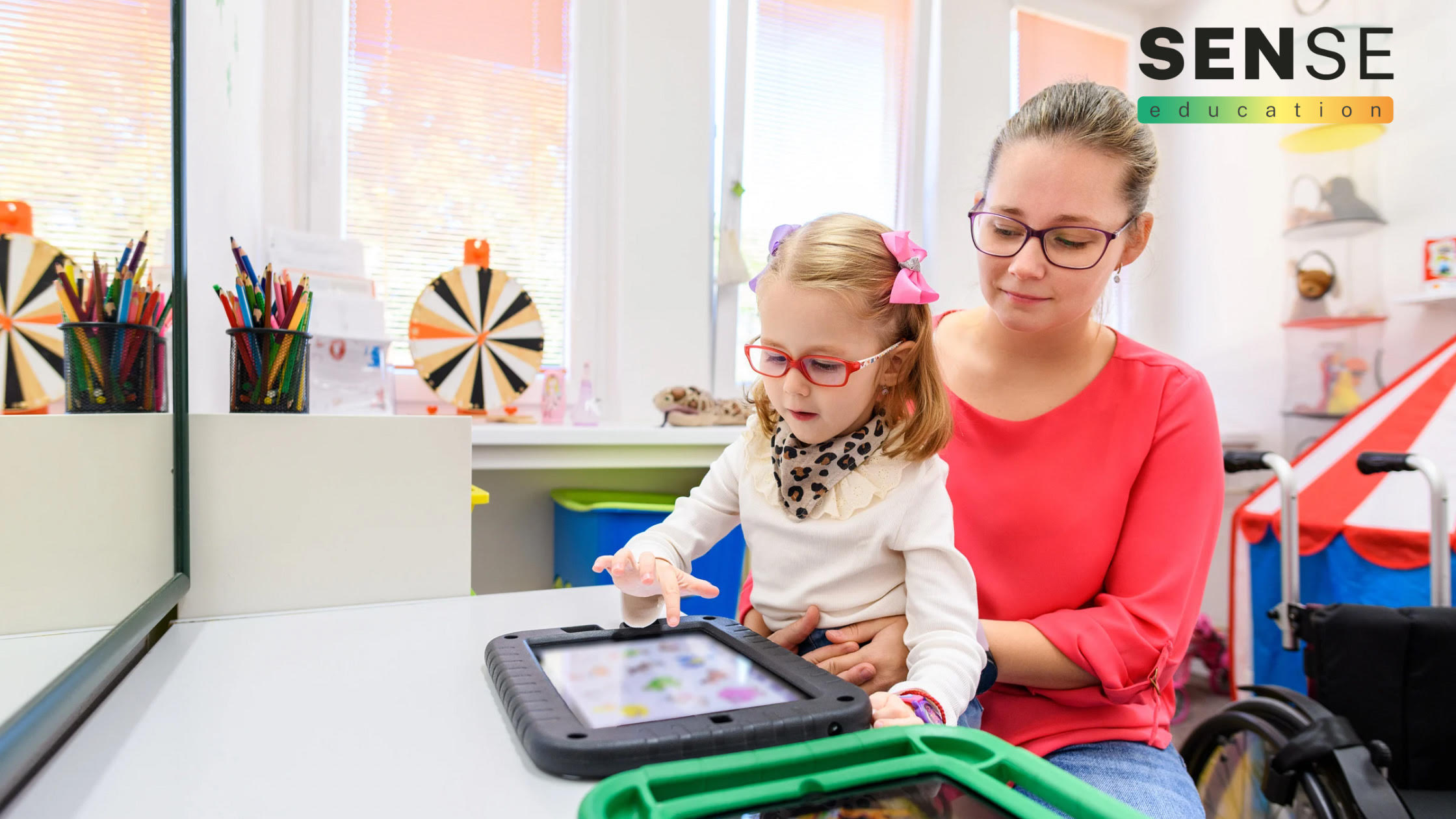
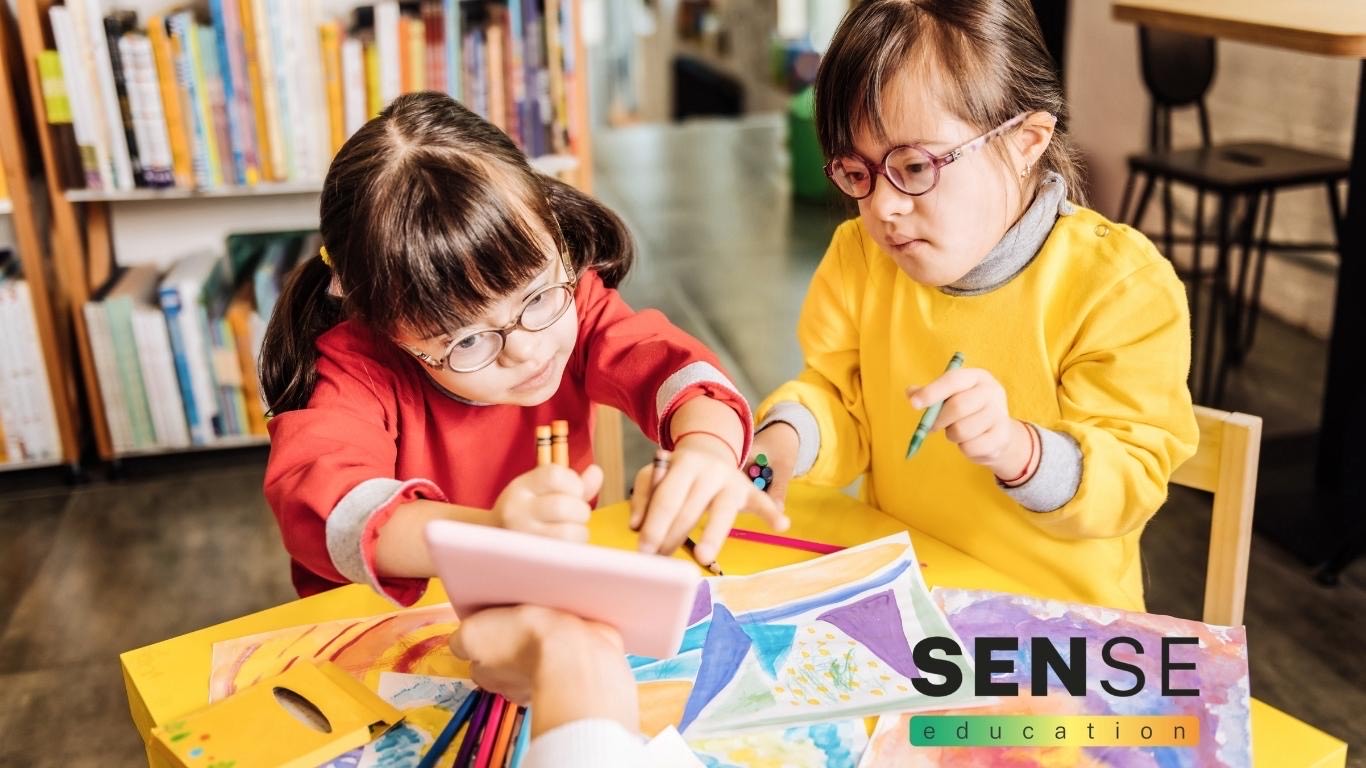
In SEND schools, the impact of Makaton is immediate and profound. It gives pupils a way to share their needs, their feelings and their ideas. It reduces anxiety by bringing predictability to daily routines and it fosters inclusion by ensuring that every child, regardless of ability, has a voice. For teachers and support staff, it is not simply a tool but a mindset shift: a reminder that if a child cannot adapt to the system, then the system must adapt to the child.
The influence of Makaton also extends far beyond the classroom. Increasingly, we see it in hospitals, GP surgeries, community centres, libraries and even workplaces. As young people with SEND move into adulthood, access to communication tools such as Makaton becomes vital for independence and participation. A Makaton-friendly society is one that recognises dignity, reduces barriers and allows people to thrive in everyday life.
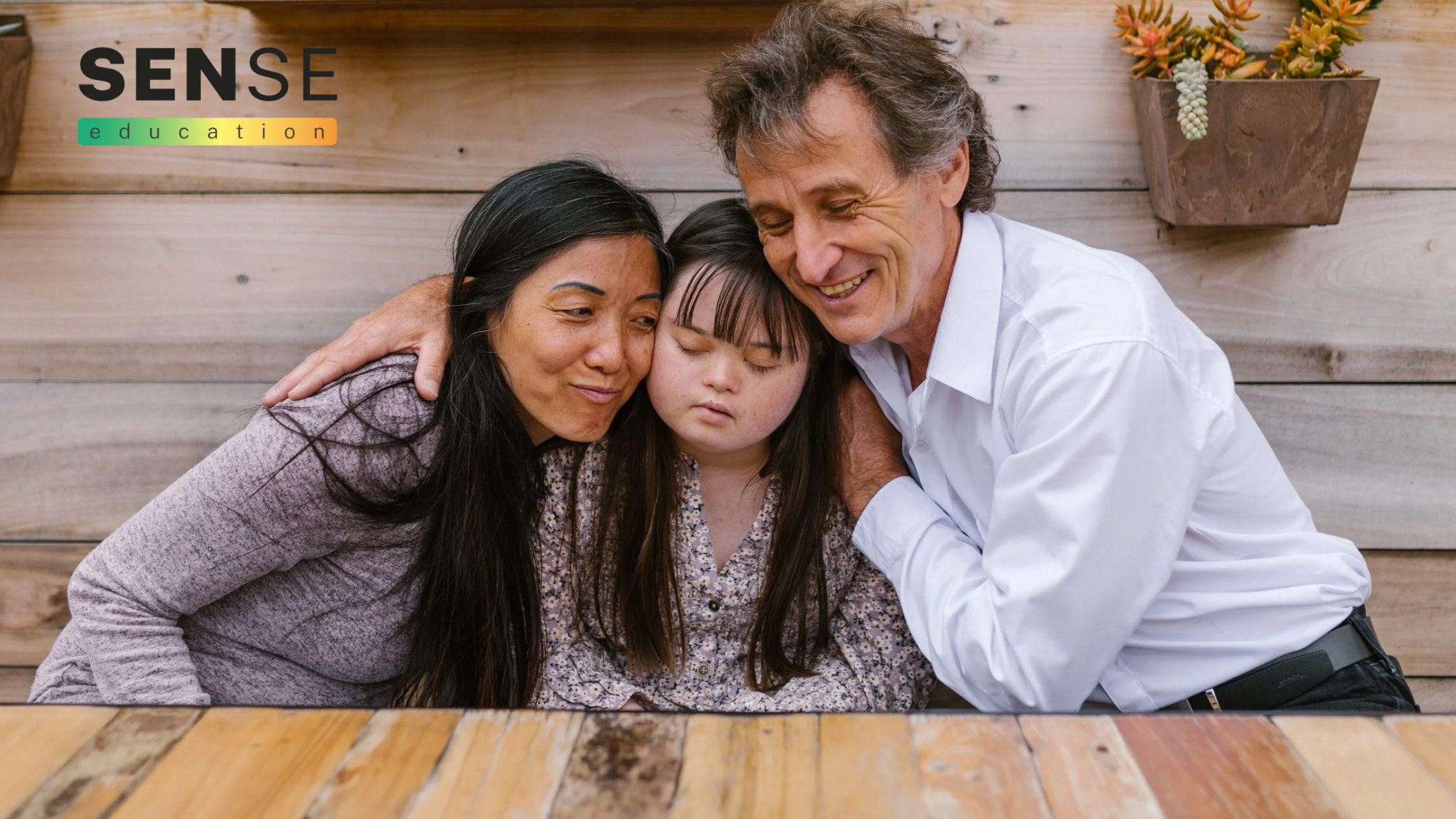
At Sense Education, we see this first-hand in the schools we work with. Staff who are trained in Makaton are able to connect with pupils on a deeper level and to create environments where children feel safe, understood and included. For families, that difference is life-changing.
Makaton International Awareness Day is about more than celebrating a system of signs and symbols. It is about celebrating the principle that underpins it: that communication is a right, not a privilege.